
Heat Pump with Underfloor Heating
A heat pump and underfloor heating are an ideal pairing — low supply-temperature heating (28–35°C) matches exactly the heat pump's efficiency sweet spot. Get a price quote from our specialist in your region.
A heat pump with underfloor heating is the most efficient heating combination you can choose for a Latvian home. This page covers why underfloor heating and a heat pump form an ideal pairing, what SCOP is achievable, how to design the system, and what the cooling options are in summer.
Why underfloor heating + heat pump = the ideal pairing
Underfloor heating operates at a low supply temperature — usually 28–35°C. This is exactly the heat pump's efficiency sweet spot. The lower the supply temperature, the higher the COP (coefficient of performance) and SCOP (seasonal COP). This means an air-to-water heat pump with underfloor heating consumes the least electricity per kilowatt-hour of heat delivered.
This combination gives the lowest operating costs of all available heating solutions. For more detailed information about the system itself, see the air-to-water heat pump installation page. Radiator systems, by contrast, require a higher supply temperature (35–50°C), which reduces efficiency by 20–30%.
Highest efficiency
With underfloor heating and a heat pump, a SCOP of 4 to 5 and higher is achievable. That means: for every 1 kWh of electricity, you get 4–5 kWh of heat. For comparison: modern electric heating (COP 1.0) gives 1 kWh of heat per 1 kWh of electricity, while a radiator system with a heat pump usually reaches a SCOP of 3.5–4.
The difference is significant throughout the year. A 150 m² home with underfloor heating and a heat pump can consume 30–50% less electricity than the same home with radiators. That's why, when planning a heat pump in a new build or renovation, underfloor heating is the first choice whenever technically feasible.
Design considerations
For underfloor heating to work optimally with a heat pump, correct design is essential. The key parameters are pipe spacing (usually 150–200 mm), manifold placement, and correctly selecting the mixing valve for temperature control. Pipe spacing determines how evenly heat is distributed across the floor surface — tighter spacing gives more even heat distribution, but requires more pipe.
Correct design ensures even heat distribution without cold zones and prevents overheating problems. A specialist will calculate pipe length, spacing and manifold placement according to your home's floor plan and heat losses.
Temperature control
Underfloor heating with a heat pump provides precise zone control. Each room can have a separate thermostat and separate loop, allowing an individual temperature to be set — for example, lower in the bedroom, higher in the bathroom. Modern smart thermostats also allow remote temperature control and programming of daily or weekly schedules.
In addition to zone control, the heat pump uses weather-compensation control, which automatically adjusts the supply temperature according to outdoor temperature. On colder days the system supplies warmer water, but in milder conditions — cooler. Since underfloor heating is a slow-responding system (it takes hours to change temperature), weather compensation is especially important — it starts heating before a cold spell arrives.
Cooling with underfloor heating
Underfloor heating can also be used for cooling in summer — by circulating cooler water through the pipes (16–18°C). Since underfloor heating covers a large area of the room, it can effectively cool the whole home without additional equipment. However, this feature requires careful condensation control.
If the floor surface temperature drops below the dew point, condensation can form on the floor or even underneath the floor covering, which damages wood floor coverings and can cause moisture problems. That's why a dew-point sensor must be installed in the system, which automatically disconnects cooling if the risk is too high. Not all heat pumps and not all underfloor heating systems support cooling — a specialist will help determine whether your system is suitable.
Installation
A heat pump can be added to an existing underfloor heating system by connecting it to the existing distribution manifold — just like any other heat source. You just need to confirm the existing system is correctly designed and balanced, and that pipe length and diameter match the heat pump's hydraulic requirements.
For a new underfloor heating system, the most effective approach is to design and install everything together — pipes, manifold and heat pump. This ensures the system is optimally balanced from day one and avoids problems that arise when underfloor heating is designed for one heat source but a heat pump is added later. Read more about planning for a new build on the heat pump for a new build page.
Submit a request to get advice and a price quote from our specialist in your region. Our specialist will help you choose the right solution for your underfloor heating system.
How does the service work?
- ✓Free request
- ✓Our specialist in your region
- ✓Price quote after a site visit
- ✓Your data is safe with us
Frequently asked questions
See also
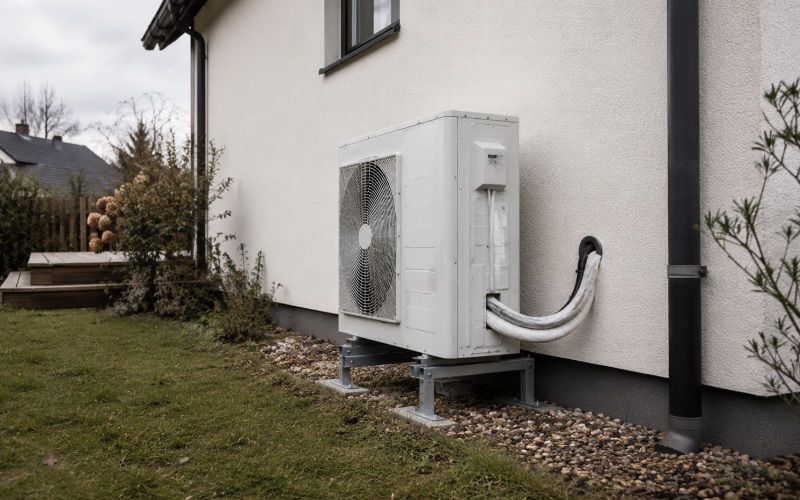
Air-to-water heat pump installation
The main system for underfloor heating — heats water in the optimal temperature range.
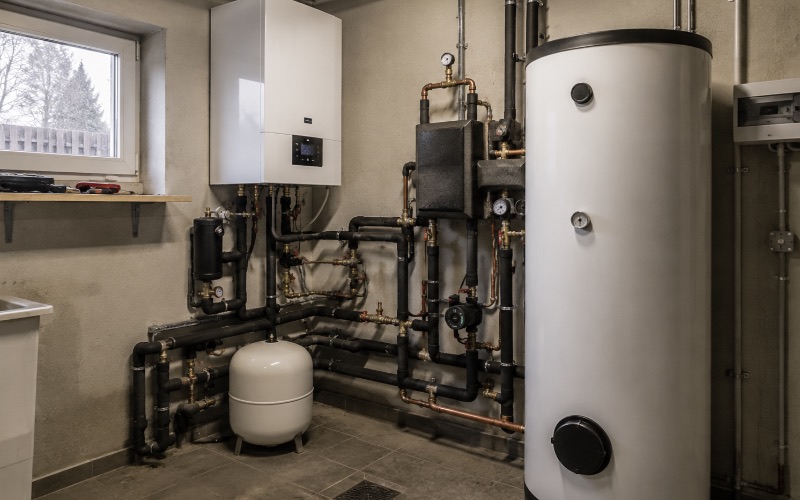
Heat pump for a new build
Plan a heat pump and underfloor heating already during your home's design phase.
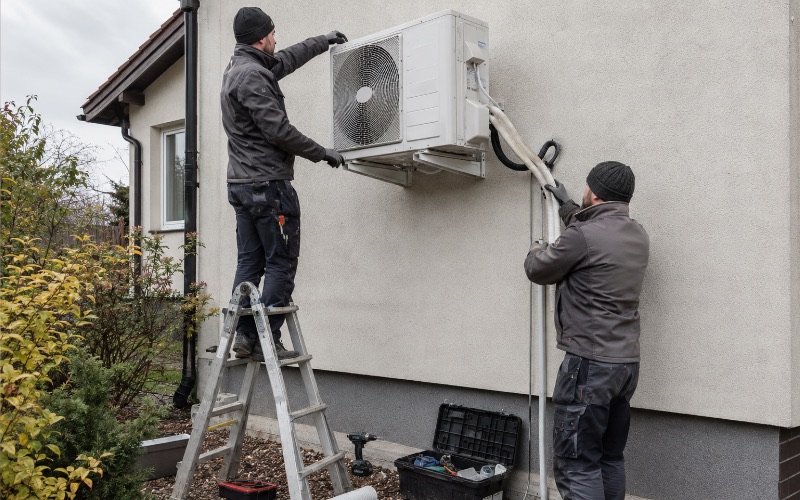
Heat pump installation price
Detailed cost factors and indicative prices for different systems.
Interested in a heat pump with underfloor heating?
We'll be in touch within 5 minutes of you submitting the form!